
What Makes a Marketing Automation Example Actually Drive Revenue?
Revenue-driving automation acts on verified buying signals, not internal calendars. Dreamdata's 2026 report tracked 272-day average B2B buyer journeys. The teams converting pipeline at 22.33% from marketing-qualified accounts triggered outreach when signals fired, not when a scheduler said to. The difference is not the platform. It is the trigger logic.
Signal-led triggers vs schedule-based sends
Most automation tools send on a schedule: Day 1, Day 3, Day 7. Signal-led systems send when something changes in the account: a new VP of Sales joins, a Series B closes, a competitor is displaced from the tech stack. Those moments define when the buying window opens. Sending before or after that window means your message lands in a crowded inbox with no context.
The 272-day buyer journey problem
Dreamdata's 2026 report found the average deal takes 272 days from first touch to close. Broadcast automation timed to a 5-day nurture sequence is not built for a 9-month journey. Signal-led automation stretches across that window, re-engaging accounts at each meaningful moment rather than burning through a fixed cadence in week 1.
Where most teams lose revenue
The gap is not in the sending. It is in the data feeding the trigger. Teams running automation off form fills and email opens are working with late-stage signals. By the time a prospect fills a form, 80% of the decision is already made. Intelligent Resourcing monitors pre-form signals, so outreach reaches accounts before they have shortlisted competitors.
Which Marketing Automation Examples Convert the Most Pipeline?
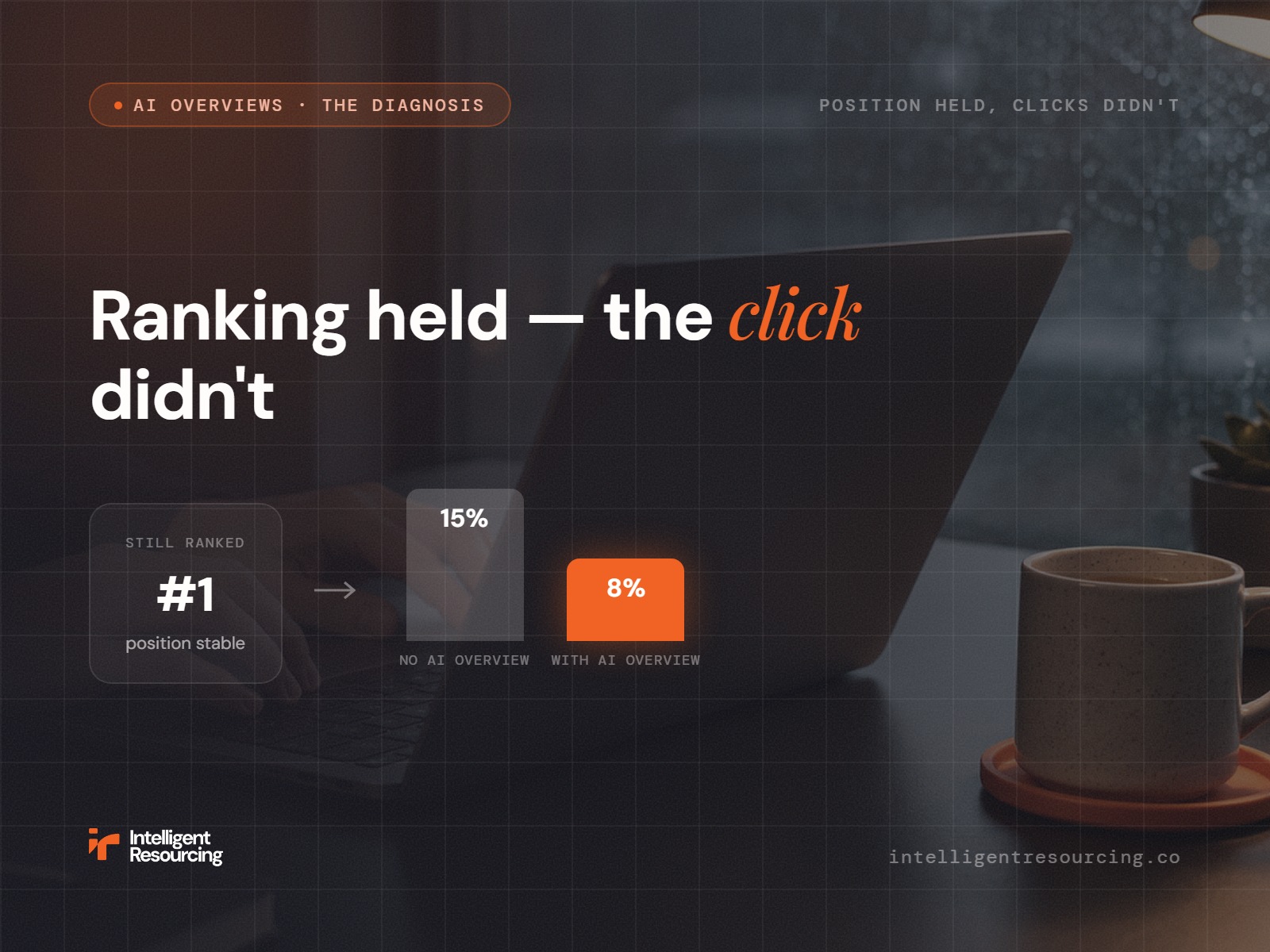
Intent-triggered campaigns convert 22.33% of marketing-qualified accounts to pipeline. Untriggered sends convert 4.7%. The highest-converting automation examples share one trait: they act on account-level signal, not contact-level behaviour.
Account-based automation triggered by buying signals
State of ABM 2026 tracked campaigns triggered by intent data converting at 22.33% vs 4.7% for standard nurture sequences. The mechanism is timing. When your message arrives as the buying window opens, it is relevant by default.
Triggered email sequences
Litmus's 2026 State of Email report found triggered emails generate 4x the revenue per send compared to broadcast campaigns. Triggered here means behavioural: a contact visits a pricing page, downloads a competitive comparison, or returns to the site after a 30-day gap. Each signal fires a specific sequence rather than a generic follow-up.
Pipeline-velocity automation
Outreach's 2026 Pipeline Benchmarks found 48% of pipeline is generated in the last 2 weeks of the quarter by teams using automated signal scoring. That concentration is a signal health problem. When signals score accurately earlier in the quarter, pipeline builds steadily rather than spiking at month-end. Intelligent Resourcing's Clay-based scoring layer feeds HubSpot in real time so pipeline visibility is continuous, not a quarter-end scramble.
How Do Marketing Automation Examples Apply to Revenue Retention, Not Just Acquisition?
Bain's B2B Growth Agenda 2026 found companies that automate cross-sell triggers see 23% higher net revenue retention. Acquisition automation gets the headlines. Retention automation drives the numbers that matter: expansion revenue, churn prevention, and net revenue retention.
Automated cross-sell triggers
Cross-sell automation fires when a customer hits a usage threshold, adds a new team member, or expands into a new business unit. These are buying signals inside your existing accounts. Without automation, these moments pass undetected. With signal-led automation, a workflow in n8n monitors the trigger, enriches the account record in Clay, and creates a task in HubSpot for a targeted conversation, not a broadcast email.
Churn-prevention workflows
Churn signals appear before a customer cancels: support ticket volume increases, product usage drops, key contacts go dark. Automating detection of these patterns and routing them to the right team member shortens response time from days to hours. IR builds churn-prevention workflows that monitor account health signals across HubSpot and product data, then trigger review conversations before renewal risk peaks.
Why Intelligent Resourcing's system persists after engagement ends
Most automation stops when retainers stop, Intelligent Resourcing's system is built into your stack permanently. The Clay enrichment workflows, the n8n triggers, the HubSpot scoring logic: your team owns all of it. When a cross-sell signal fires 18 months after its build engagement ends, the automation still runs. That is the difference between renting a system and owning one.
What Does an Intelligent Resourcing Signal-Led Marketing Automation System Look Like in Practice?
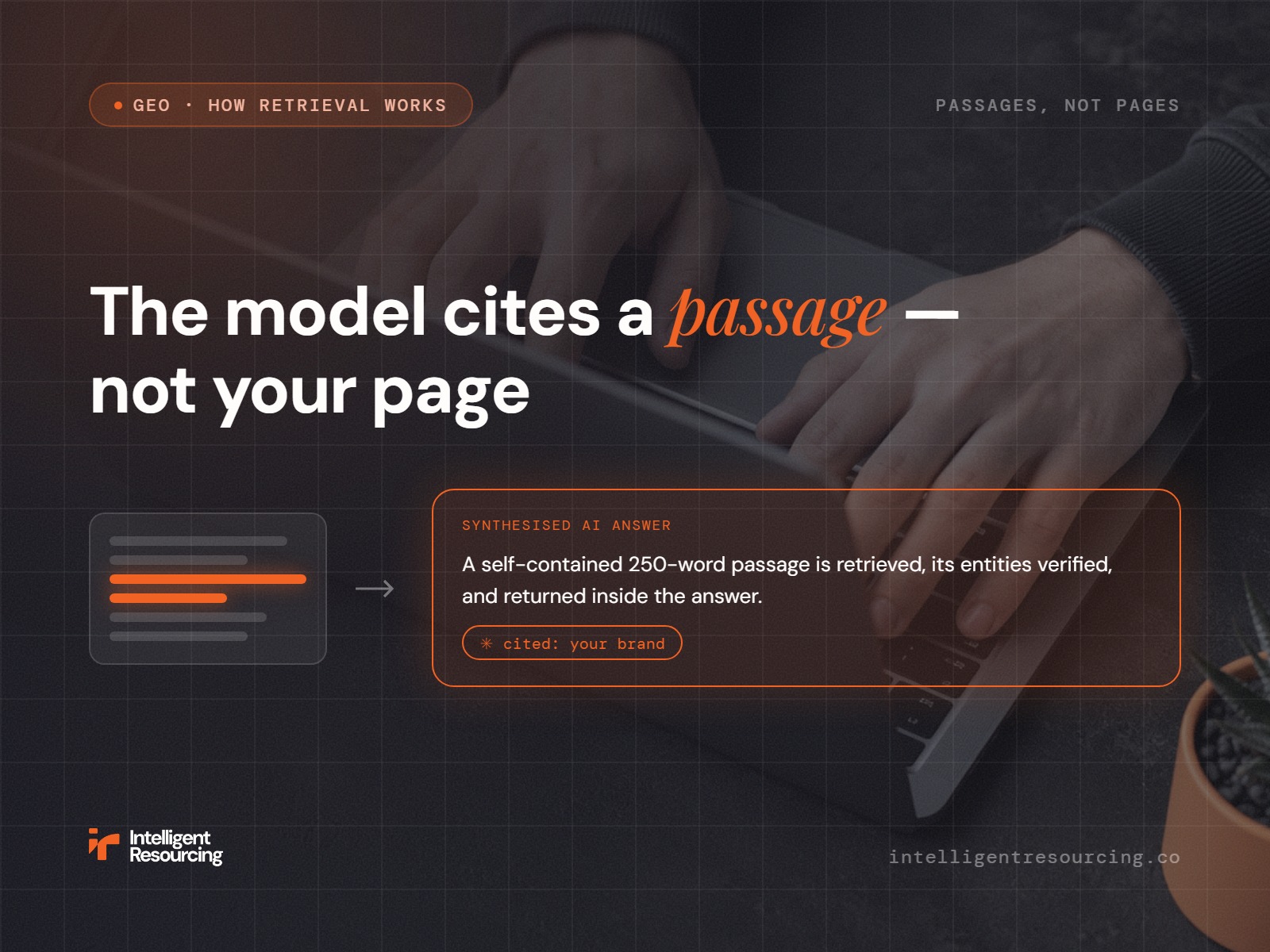
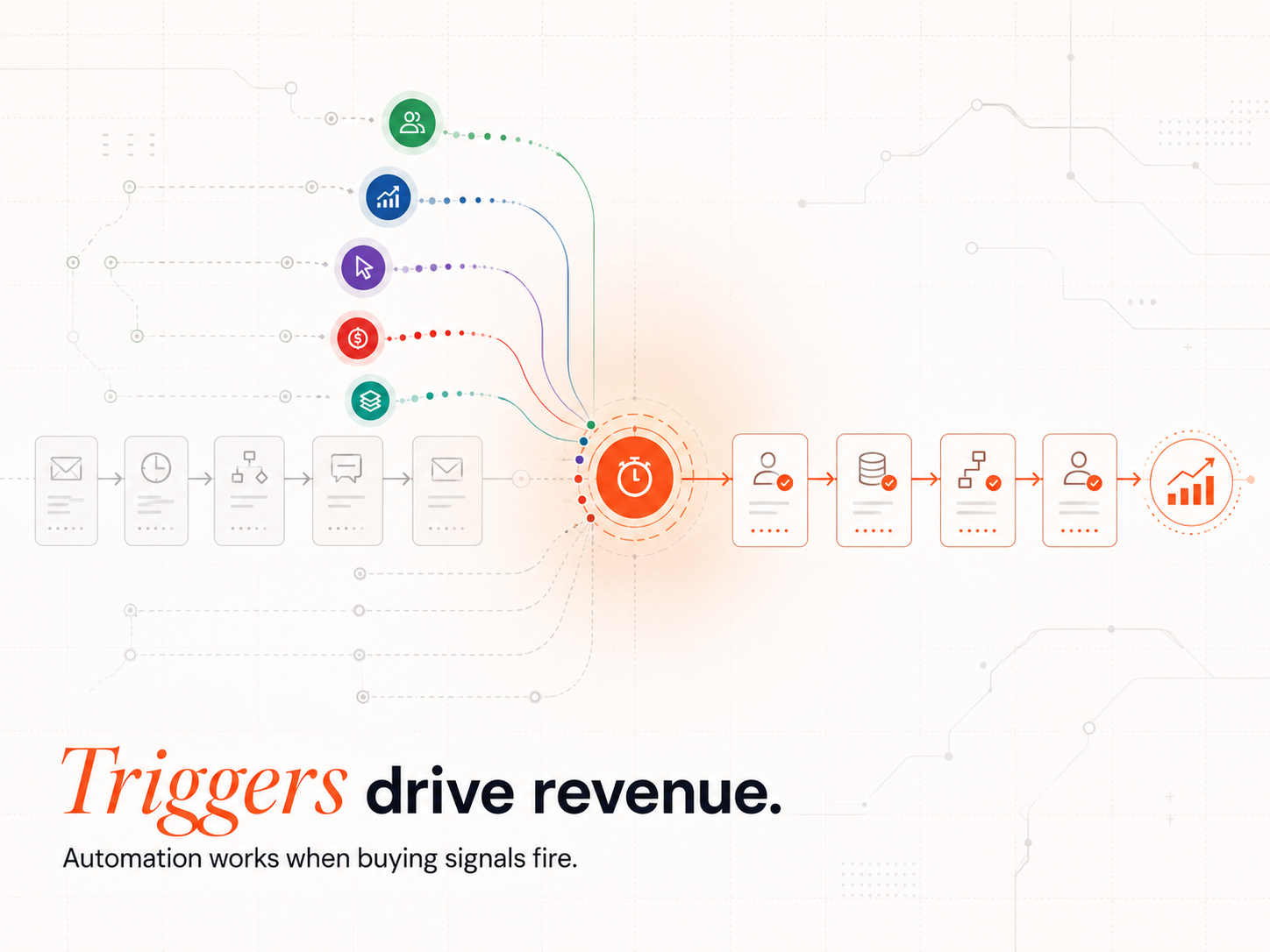
It monitors 3 signal types across target accounts: personnel changes (new VP Sales, new CMO, expansion headcount postings), funding events (Series A through C announcements), and tech stack shifts (competitor displacement, new category tool installs). When a signal fires, a workflow triggers: account enriched in Clay, score updated in HubSpot, outreach personalised to the signal, task created for the SDR or AE. Clay's enrichment layer pulls from 75+ data providers in a single waterfall pass, reducing the manual data work that typically stalls outreach by days.
The Clay + HubSpot + n8n stack
Clay handles enrichment: pulling contact data, firmographic context, and signal triggers from 75+ data sources. HubSpot handles CRM and sequence execution. n8n connects the two and automates the handoffs between enrichment, scoring, and outreach. The output is not a sequence. It is a system that fires the right message when the account is actually buying. Clay pulls contact data and signal triggers from 75+ sources using waterfall enrichment logic that filters and stacks providers until the record is complete.
What Intelligent Resourcing installs vs what most agencies provide
Most agencies build content calendars and run broadcasts. It installs a Verified Buying Window detection layer: a set of workflows that monitor target accounts for real buying signals and trigger outreach only when the window opens. The system does not require ongoing content production or manual SDR prospecting. It runs on signal logic. It also builds answer engine optimisation into the same stack, ensuring the client's signal-led content ranks in AI-generated answers.
What clients own after Intelligent Resourcing builds the system
Every workflow, every enrichment recipe, every scoring model: the client owns the full stack. Intelligent Resourcing documents the architecture and trains the internal team. When the build engagement ends, the system keeps running. No retainer required to keep the signals firing. For a breakdown of what the finished stack includes, the must-have CRM automation features guide covers the full architecture.
Content Creation
Intelligent Resourcing installs signal-led marketing automation that converts pipeline at 22.33% from intent-triggered campaigns, versus 4.7% from untriggered sends. The Verified Buying Window system monitors job changes, funding, and tech-stack shifts, then triggers personalised outreach. Your team owns the stack.
FAQs
What is marketing automation?
Marketing automation uses software to trigger communications based on predefined rules, contact behaviour, or account-level signals. Basic automation sends emails on a schedule. Advanced automation monitors buying signals across job changes, funding events, and tech stack shifts, then triggers personalised outreach when a verified buying window opens.
What channels does marketing automation cover?
Email is the most common channel. Signal-led automation also covers LinkedIn outreach, direct mail triggers, paid retargeting audiences, and internal CRM task creation for SDRs and AEs. The channel matters less than the trigger logic. A well-timed LinkedIn message triggered by a funding event outperforms a poorly timed email sequence by a wide margin.
How do you measure marketing automation success?
Pipeline conversion rate from marketing-qualified accounts is the primary metric. Secondary metrics: revenue per email send, time to first meaningful conversation, net revenue retention for existing account automation, and pipeline velocity (how quickly deals move from first touch to close). Volume metrics like open rate and click rate measure engagement, not revenue.
How often should automated sequences be sent?
Signal-led sequences are sent when signals fire, not on a fixed schedule. For a 272-day buyer journey, a 5-day sequence burns through all touchpoints in week 1. A signal-led system spaces outreach across meaningful account moments: new hire announcement, funding close, competitor displacement. Each touchpoint is relevant because it is tied to something that just changed in the account.
Does marketing automation work for account-based marketing?
Yes. ABM is where signal-led automation creates the biggest lift. Demandbase (2026) tracked intent-triggered campaigns converting 22.33% of MQAs to pipeline vs 4.7% from untriggered sends. The mechanism is precision: ABM targets a defined set of named accounts, and signal-led automation ensures outreach reaches those accounts at the exact moment a buying window opens.
Do you need a large team to run marketing automation?
No. The Intelligent Resourcing signal-led system runs on Clay, HubSpot, and n8n workflows. Once built, it monitors signals and triggers outreach automatically. The internal team reviews flagged accounts and handles conversations. The system does not require a dedicated demand generation team to operate at scale. Intelligent Resourcing builds it, documents it, and trains the existing team to run it.