
Startups and SMEs today face a critical question as they scale operations: do you build a Revenue Operations (RevOps) function or hire a Go-to-Market (GTM) engineer? RevOps has become a buzzword in boardrooms, yet many smaller businesses find themselves struggling to implement its frameworks effectively. Meanwhile, GTM Engineering is emerging as a fast, lean alternative built for businesses that need results, not red tape.
This article unpacks the key differences between GTM Engineering and RevOps, helping you make the right decision for your growth stage.
GTM or RevOps What's Right for Your Business?
If you're running a lean team and juggling sales, marketing, and customer success, chances are you've come across the term "RevOps". It sounds impressive and promising: aligning teams, boosting revenue, making data sing. But is it what your business actually needs?
For SMEs, the confusion is real. RevOps offers structure, but often requires complex systems and deep internal maturity. GTM Engineering, on the other hand, focuses on building fast and integrating smart tools that get you moving quickly.
In this guide, we'll break down:
- What RevOps actually does
- Why GTM Engineering is a different approach
- How the two compare side by side
- Why many SMEs are better suited to GTM Engineering
- When to consider one over the other
Let's break it down so you can choose the right fit for your team's size, budget, and goals.
What Is RevOps? (And Why It's Popular in Enterprise Settings)
Revenue Operations, or RevOps, is a business function that aims to unify sales, marketing, and customer success under one strategic roof. The idea is simple: break down silos, streamline reporting, and create shared accountability for revenue.
In practice, RevOps works best in mature businesses with multiple departments, layered hierarchies, and an existing operational backbone. It introduces a layer of structure designed to standardise how different teams operate, communicate, and measure outcomes.
For large organisations, this is essential. It prevents misalignment and brings consistency to decision-making. But for SMEs, this same structure can feel heavy and slow.
Why Enterprises Rely on RevOps
- Designed for large, siloed teams
- Helps manage cross-functional workflows
- Relies on enterprise-grade CRMs and analytics tools
- Enables executive oversight across departments
RevOps excels in environments with complex data, big budgets, and internal resources to manage it all.
What Is GTM Engineering? (And Why It's Different)
Go-to-Market Engineering is a newer, more agile discipline focused on building, automating, and implementing operational tools that support revenue growth quickly.
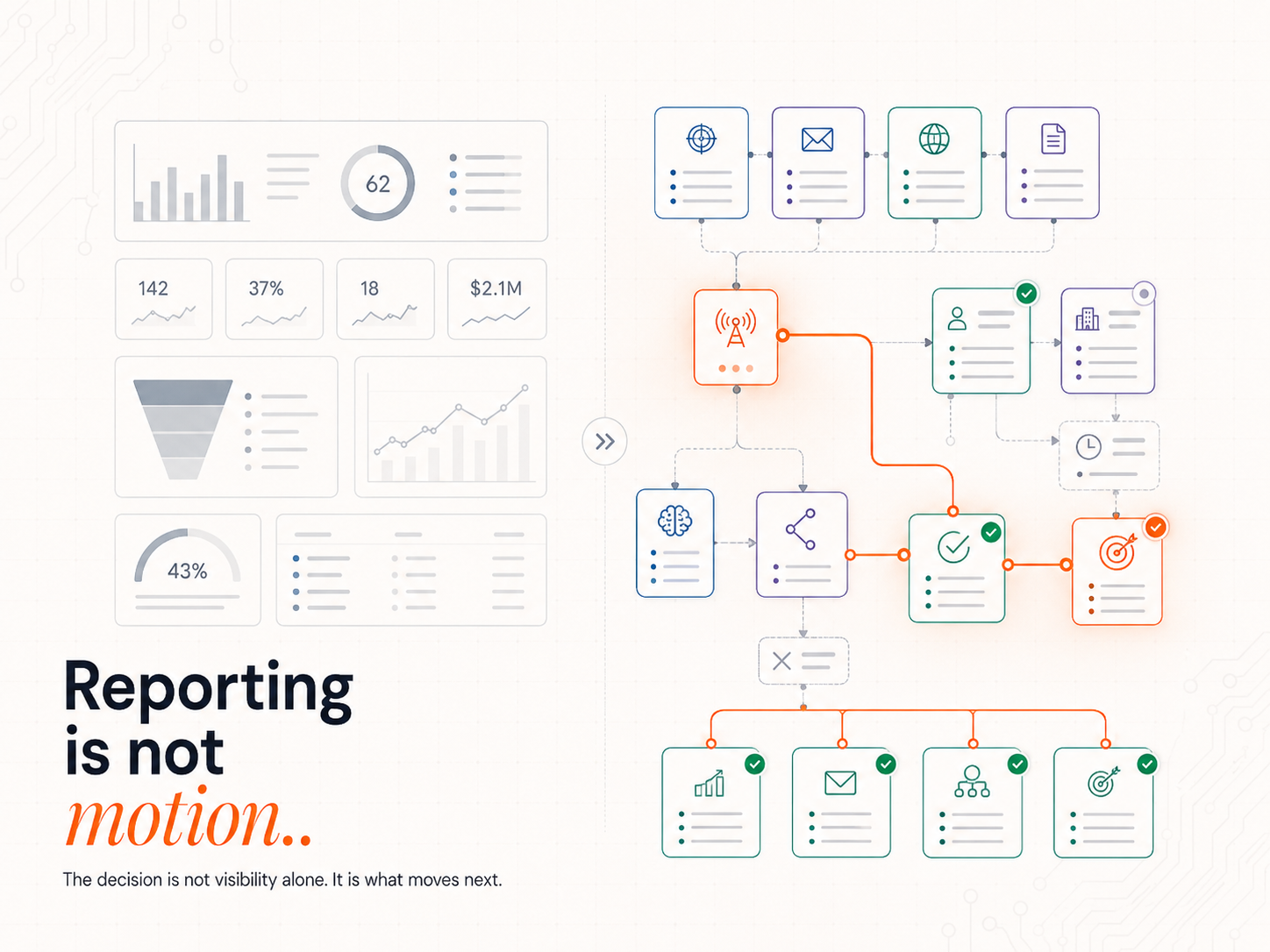
Instead of mapping out perfect processes, GTM Engineers get things done. They connect CRMs, automate follow-ups, build dashboards, and create solutions that enable teams to move faster.
Where RevOps is about strategy and structure, GTM Engineering is about speed and execution.
Why GTM Engineering Appeals to Lean Teams
- Built for fast-paced SMEs and startups
- Leverages off-the-shelf SaaS tools
- Automates processes without complex overhauls
- Often handled by one engineer or a tiny team
Think of GTM Engineering as your internal builder, someone who can make HubSpot, n8n, Google Sheets, and Opal talk to each other so your sales team doesn't have to.
GTM vs RevOps: A Side-by-Side Comparison
| Feature | RevOps | GTM Engineering |
|---|---|---|
| Structure | Strategic, process-heavy, and silo-bridging | Tactical, lean, and execution-focused |
| Resourcing | Dedicated team with analysts, managers, and tech leads | Single engineer or small agile team |
| Tooling & Systems | Enterprise-grade platforms with custom reporting layers | SaaS stack stitched together smartly |
| Speed & ROI | Long ramp-up time, expensive and slow to show returns | Quick to implement, delivers visible value fast |
Tooling Perspective
RevOps teams often deploy complex systems like Salesforce with custom middleware and reporting databases. GTM engineers work faster by integrating tools like HubSpot, Notion, or Make.com to deliver results in days, not quarters.
ROI Considerations
According to Deloitte Access Economics, digitally advanced SMEs are 50% more likely to grow revenue. GTM Engineering helps close that digital gap faster by building useful automations without waiting for full strategy rollouts.
Why RevOps Often Doesn't Fit SME Contexts
RevOps sounds strategic, and it is, but that doesn't mean it's practical for everyone. Many SMEs try to implement RevOps and end up with unfinished dashboards, bloated software costs, and unclear ownership.
Common RevOps Pitfalls for SMEs
- High overhead with limited ROI
- Over-reliance on systems before processes are mature
- Unclear roles and duplicated efforts
- Strategy over execution, which delays results
A SmartCompany report recently highlighted that many SMEs investing in technology solutions feel overwhelmed and under-supported, particularly when implementation drags on.
RevOps works well once your business is ready. Too early, it can backfire.
Why GTM Engineering is the Better Fit for SMEs
GTM Engineering thrives in resource-constrained environments where action matters more than perfection. It's cost-effective, flexible, and designed to build what you need when you need it.
Budget-Friendly with Clear Scope
Hiring a GTM engineer means paying for outcomes, not meetings. They focus on shipping rather than strategising for six months.
Accelerates Execution
GTM Engineering gets things done. From automating lead follow-up emails to building revenue dashboards, it brings momentum to your team.
Scales With You
As your team grows, your GTM setup can evolve. Start small with a few automated workflows using tools like Airtable or Google Sheets, then move into more robust automations when needed.
When to Use GTM Engineering vs RevOps
Choose GTM Engineering if:
- Your team is small and wears multiple hats
- You need quick wins in automation and reporting
- You don't have the bandwidth for long-term strategic planning
- You're experimenting and need flexibility
Consider RevOps if:
- Your business is approaching enterprise scale
- You have defined sales and marketing departments
- Budget and time allow for a full restructuring
- You need consistent forecasting and executive-level reporting
For most SMEs, GTM Engineering is the practical, immediate choice. RevOps might come later, but only when your growth demands it.
Don't Over-Engineer Your Ops Too Early
Choosing between GTM Engineering and RevOps is not just a question of preference. It's about timing. RevOps is a brilliant solution for businesses that are already structured and siloed. But for the vast majority of SMEs, it's too soon.
GTM Engineering offers a lean, flexible, and impactful alternative. It helps you build what matters, ship faster, and unlock growth without getting bogged down.
Still unsure whether to go GTM or full RevOps?Let's explore what suits your business stage best.
GTM Engineering
Talk to our GTM Engineering team. We'll help you map the right approach for your team's size, budget, and growth goals — without over-engineering it.